In an emergency, every second matters, especially during sudden cardiac arrest. An Automated External Defibrillator (AED) is designed to be simple to use, even for someone with no medical background. But how does it actually work, and what happens when you use one?
This quick guide breaks it down step-by-step so you can feel more confident if you ever need to respond and use an AED device.
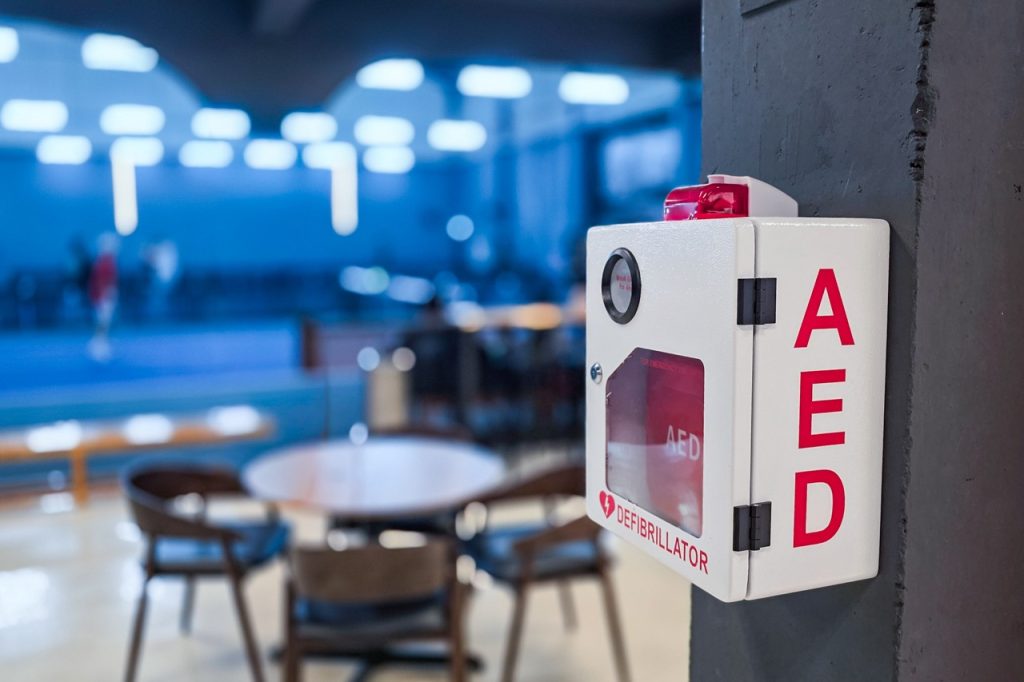
What Is an AED?
An AED or an Automated External Defibrillator is a portable medical device designed to treat sudden cardiac arrest. Defibrillators deliver an electric shock that can help restore a normal heart rhythm.
These life-saving devices are commonly found in public places, workplaces, and schools. However, they can be beneficial anywhere, including homes, as proper use of an AED plays a crucial role in enhancing survival rates for individuals experiencing cardiac events when every moment counts.
Step-by-Step: How to Use an AED
Details on how to use an automated external defibrillator (AED) are widely available, but trusted organizations like the American Red Cross provide clear, step-by-step directions based on current emergency response practices.
The following overview is adapted from Red Cross recommendations, with simplified language to help you quickly understand what to do in a real-life situation.
Step 1: Check the scene and call for help
Make sure the area is safe. Check if the person is unresponsive and not breathing normally, and have someone call 911 right away.
Step 2: Turn on the AED
As soon as the device is available, power it on and follow the voice or visual instructions.
Step 3: Expose the chest and place the pads
Remove clothing from the chest and ensure the skin is dry. Apply the pads as indicated, typically one on the upper right chest and the other on the lower left side.
Step 3A: Connect the pads (if needed)
Some AEDs require plugging in the pad connector before use.
Step 4: Allow the AED to analyze
Make sure no one is touching the person while the device checks the heart rhythm. Clearly say “clear” to alert others.
Step 5: Deliver a shock if advised
If prompted, ensure everyone is clear and press the shock button.
Step 6: Resume CPR immediately
After the shock is administered (or if no shock is recommended), begin CPR right away and continue following AED prompts until help arrives.
Watch the steps here: How to Use an AED on an Adult
Common Questions Around AED Usage
When Should an AED Be Used?
An AED should be used when a person is unresponsive, not breathing, or only gasping, and you suspect sudden cardiac arrest.
Can Anyone Use an AED?
Yes, anyone can use an AED; you do not need to be a medical professional to use one. AEDs are intended for public use and the voice and visual instruction guide you so you can provide support during a medical emergency until medical professionals arrive.
Are AEDs Safe to Use?
Yes, AEDs are safe for both the user and the patient. They have built-in safeguards and will not deliver a shock unless needed.
Why AEDs Are So Important
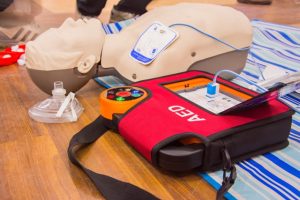
Automated External Defibrillators (AEDs) are an incredibly valuable tool that significantly boosts survival rates during cardiac arrest incidents. In fact, studies indicate that using an AED can more than double a person’s chances of making it through, especially when compared to relying on CPR alone.
When AEDs are readily available and individuals are willing to use them, the outcomes can be greatly enhanced. This is why increasing public awareness and access to AEDs can be a life-saving measure in both public spaces and private settings.
Purchase an AED for your business or household: https://heartcertcpr.com/aed-purchases/
AED + CPR: How They Work Together
When a cardiac arrest occurs, the combination of AED usage and properly performed CPR is the key to increasing the chances of survival. First, the AED works to restore a normal heart rhythm, while hands-on CPR promotes blood circulation to vital organs and ensures that oxygen continues to reach the brain and heart during this critical time.
Using both AED and CPR together not only enhances the effectiveness of the response but also significantly improves the overall outcomes for the person in cardiac arrest.
Be Prepared to Act in an Emergency
Even though AED usage during a cardiac arrest can significantly increase survival rates, the use of automated external defibrillators (AEDs) by bystanders remains low. Some research shows that in situations where an AED could be used, bystanders use them only 2-5% of the time. Hesitation is most commonly due to reasons such as lack of knowledge, reluctance to use, and limited access to these devices.
Knowing how an AED works is an important first step, but hands-on CPR and AED training can help you feel even more prepared to respond quickly and confidently in an emergency. HeartCert offers easy to complete, comprehensive CPR and first aid training so you can learn the skills, build your confidence and be prepared to act in the event of an emergency.
Get started today. Sign up for an online or in-person class near you.
Sources:
https://www.redcross.org/take-a-class/aed/using-an-aed/aed-steps
https://hdsbpc.cdc.gov/s/article/Evidence-of-Impact-for-Public-Access-Defibrillation
HeartCert is your trusted training partner for CPR, ACLS, PALS, EMR, First Aid, CNA, TMA, IV, EKG and more, throughout the United States.
Courses include CPR/AED/First Aid, Basic Life Support (BLS), Advanced Cardiac Life Support (ACLS), Pediatric Advanced Life Support (PALS), Certified Nursing Assistant training, IV training, EKG training, babysitter basics and more. Courses and certifications from both the American Heart Association and American Red Cross are available. We offer virtual courses and certifications, in all 50 states as well as in-person classes at our headquarters, HeartCert CPR Eagan and major cities in Iowa, Illinois, Michigan, Minnesota, Missouri, Mississippi, Nebraska, Pennsylvania, Texas and Wisconsin.