Before starting nursing school, there’s a lot to learn in a hospital setting. While some people head straight to school before anything else, others swear by becoming a CNA first to test the waters and learn what it’s actually like in a clinical setting. One of the biggest reasons why you should become a CNA before nursing school is to see if it’s the right career path for you. In this article, we’ll explain the advantages of becoming a CNA first and what you can learn before enrolling in a nursing program.
Advantages of Becoming a CNA Before Nursing School
1. Ensure Nursing is the Right Career Path for You
The number one reason to become a CNA before nursing school is to see if it’s the right career path for you. Oftentimes, people strive to become a nurse because it seems like a good idea, someone else is doing it, or someone told them they’d be good at it. However, while the idea of being a nurse is extremely appealing, the reality is more challenging than people realize.
Getting a CNA certification first lets you test the waters and see if you genuinely like working in a hospital setting. While you may love the thought of caring for people, you might discover that you can’t handle bodily fluids, the level of openness with patients on the job irks you, the paperwork is tedious, or the shifts don’t match your lifestyle.
A CNA license is like a mini trial run so you can see if you do well with the medical coursework, pass your exams, and enjoy the realities of a clinical setting before fully investing in nursing school.
2. Learn Basic Skills for Clinical Settings
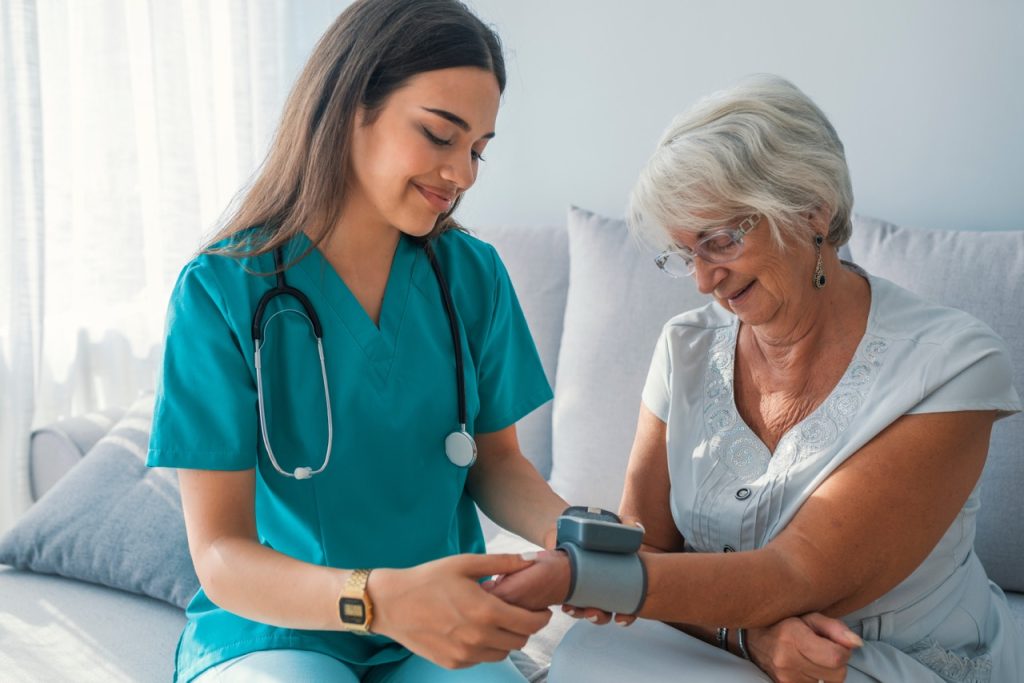
Because a CNA works directly under an RN (registered nurse), it’s a highly effective way to gain top-tier experience and see how a nurse works throughout the day. Not only do you learn how to care for patients, but you also get to see nurses in action and learn what they do on the job. It’s easy to pick up skills simply by being there, asking questions, and observing.
Furthermore, you can hone your patient care skills as a CNA. It’s an easy way to work up to more advanced roles in healthcare when you receive direct experience. It also helps to get acquainted with the typical nursing shifts where you might work extended shifts in a row before having time off.
On top of learning skills more quickly, it also makes you a stronger candidate for nursing programs. If there’s a tough school you’re trying to get accepted into, showing that you’re already putting in the work can help you stand out.

3. Grasp Nursing Concepts More Quickly
One of the best ways to learn is by doing it. Some of the highest performing nursing students are CNAs first. Instead of coming to class with an empty slate, they already have a wealth of knowledge the moment they step through the doors at their nursing school. While an empty canvas is usually a good thing when it comes to art and shaping abilities, it has the opposite effect in healthcare.
Because concepts and medical terms can become so complex and extensive, real-world experience helps immensely. Instead of learning about a term or medical device on paper and in pictures, you get to see it in real-time. This level of education means you gain the upper hand compared to peers who didn’t start as a CNA.
Related Content: CNA Certification: Open Doors in Your Healthcare Career
4. Make More Income During Nursing School
Nursing school can be expensive. One of the best ways to earn money before and during your schooling is to become a CNA. The starting pay is worthwhile, and the shifts tend to be flexible and mesh well with schooling.
On top of it, the level of education you get on the job is way more useful than any traditional job you can get outside of healthcare. Becoming a CNA ensures you get both a higher income, on-the-job experience, and training that can be applied later. It’s the best of both worlds.
Related Content: 10 Places You Can Work as a CNA (Besides a Nursing Home)
5. Boost Your Resume and Start Networking Early
If you want to boost your resume right away and get a head start on networking, becoming a CNA is the best way to do that. Working in a hospital or clinical setting guarantees that you’ll meet other CNAs, nurses, doctors, and other hospital staff.
Forming relationships with other hospital staff and patients can give you a leg up when it comes to nursing career applications after you graduate as well. Numerous CNAs discover that they love working at their current hospital and can even come across a nursing job lined up at their current healthcare setting once they graduate. Others utilize their expertise to immediately start applying at other facilities that are hiring.
Regardless of which path CNAs take, there are more possibilities later on with a wealth of experience from the start.
Related Content: Start Your CNA Career with HeartCert’s Stay and Train Program
Recap: Why You Should Become a CNA Before Nursing School
Some of the greatest advantages to becoming a CNA before nursing school include:
- Knowing that nursing is the right career for your skills
- Learning practical skills and gaining confidence on the job
- Earning income in a field related to your continuing education
- Gaining experience and building your network for a career in healthcare
- Understanding basic concepts and applying them in real-time
Ready to Get CNA-Certified Before Nursing School?
If you’re planning on going to school for nursing, becoming a CNA is one of the best steps you can take. With a combination of hands-on knowledge, learning the basics, earning more, and better preparing yourself for school, you can’t go wrong.
Ready to start your CNA training to get certified before nursing school?
HeartCert is your trusted training partner for CPR, ACLS, PALS, EMR, First Aid, CNA, TMA, IV, EKG and more, throughout the United States.
Courses include CPR/AED/First Aid, Basic Life Support (BLS), Advanced Cardiac Life Support (ACLS), Pediatric Advanced Life Support (PALS), Certified Nursing Assistant training, IV training, EKG training, babysitter basics and more. Courses and certifications from both the American Heart Association and American Red Cross are available. We offer virtual courses and certifications, in all 50 states as well as in-person classes at our headquarters, HeartCert CPR Eagan and major cities in Iowa, Illinois, Michigan, Minnesota, Missouri, Mississippi, Nebraska, Pennsylvania, Texas and Wisconsin.