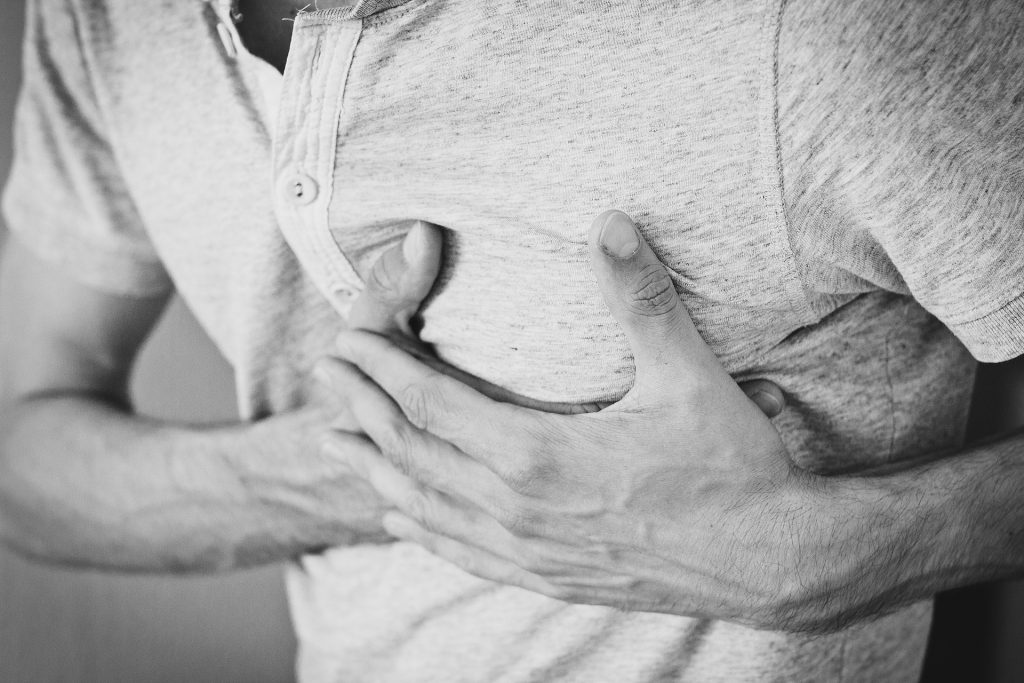
Heart attack symptoms don’t always look the way you expect, and that is especially true for women. While many people picture sudden, intense chest pain, the reality is often much more subtle. Understanding these differences can make all the difference when it comes to recognizing a serious issue early.
One of the most important steps is knowing the signs and symptoms of a heart attack and how they can present differently in women compared to men. Read on for details on four silent heart attack symptoms women should be aware of, based on guidance from the American Heart Association.

Do You Know These Hard-to-Recognize Heart Attack Symptoms in Women?
Well-known heart attack symptoms can include chest pain and radiating discomfort in the left arm. But, as Dr. Suzanne Steinbaum, director of The Heart and Vascular Institute at Lenox Hill Hospital in New York City, explains, there are several other ways your body may tell you when something isn’t quite right, potentially with your heart.
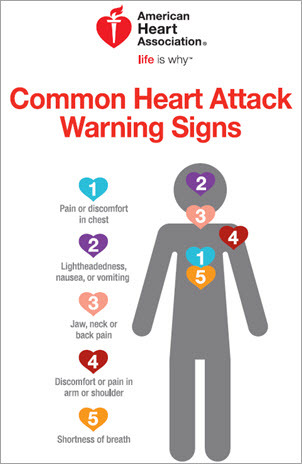
1.) Shortness of Breath
 According to Dr. Steinbaum, shortness of breath can be a significant warning sign for women, particularly in the weeks leading up to a heart attack. This symptom may manifest as an unexpected and notable difficulty in breathing, especially if a person is accustomed to engaging in physical activities without issue.
“If you are used to doing a certain amount of activity and then, all of a sudden, you can’t get enough air, that is when I get concerned,” says Steinbaum.
It’s important for individuals experiencing these changes in their breathing patterns to seek medical attention, as it may indicate underlying cardiovascular issues that require prompt evaluation.
2.) Back Pain
 Another silent heart attack symptom that women experience leading up to or during a heart attack is back pain. Many adults deal with back pain on occasion, so it’s important to understand this symptom and how it differs from other aches you may deal with.
Irregular pain in the lower or upper back can indicate stress to the heart muscle, Steinbaum says. You may notice that the pain is different from other back pains you’ve experienced. You may also notice that the pain starts in your chest and radiates to the back of your body. It may also present itself as pain in the neck area or in one or both of your arms.
3.) Jaw Pain
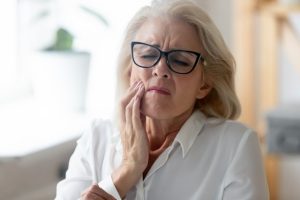
Jaw pain is another symptom that women experience before or during a heart attack. “I had one patient who would feel her jaw start to hurt every time she got on a treadmill,” Steinbaum says. “But once she stopped, her jaw pain would go away. She went to a dentist, but there wasn’t anything wrong with her teeth.”
This discomfort continued until the woman experienced a heart attack. When she came into Steinbaum’s office after the event, it was evident that the jaw pain was directly linked to what was happening in her heart.
“Sometimes the heart isn’t able to give a good signal and, instead, the pain can radiate to the neck, jaw and back.” she says.
4.) Nausea
Nausea can often be an early warning sign of a heart attack, sometimes appearing weeks or even days beforehand. For instance, as Steinbaum explains, TV personality Rosie O’Donnell reportedly regurgitated a few times before she experienced a heart attack.
This symptom might be mistaken for unrelated illnesses, so it’s crucial to pay close attention and recognize nausea in conjunction with other potential warning signs, such as chest pain or shortness of breath.
Other Common Heart Attack Symptoms for Women
Above are common symptoms that often go ignored because they are not always associated with heart complications. However, they are not the only symptoms women report experiencing before a heart attack.
Other common symptoms include:
- Fatigue
- Lightheadedness
- Unusual tiredness and weakness
- Chest pain
- Stomach pain
- Breaking out in a cold sweat
How Heart Attack Symptoms Differ for Women From Men
In the event of a heart attack or the time leading up to one, men are more likely to have intense chest pain, while women are more likely to have subtler symptoms like fatigue, nausea, or shortness of breath. These differences can make heart attacks in women harder to recognize.
Know the Signs and Trust Your Gut
If you aren’t feeling normal or are experiencing any of the symptoms above, head to your local emergency room. It is best not to wait to see if things resolve on their own and to take care of yourself and prevent damage to your heart in the event you are having a heart attack.
Many women who have had a heart attack look back at their symptoms and explain they just had an awareness that something wasn’t quite right.
“Ninety percent of my female patients who’ve just had a heart attack tell me that they knew it was their heart all along. That they just had a feeling… A woman’s intuition is a very strong thing; don’t ever discount it,” Steinbaum says.
Learn more about your risk for heart disease, as well as factors that increase your risk , on Go Red For Women.
Frequently Asked Questions about Heart Attack Symptoms in Women
What are the most common heart attack symptoms in women?
Women can often experience chest discomfort, but it may feel like pressure or tightness rather than sharp pain. Other common symptoms include shortness of breath, fatigue, nausea, lightheadedness, and discomfort in the back, neck, jaw, or stomach.
What are the warning signs that can happen days before a heart attack?
Women may experience unusual fatigue, shortness of breath, or mild discomfort in the chest or upper body days or even weeks before a heart attack.
Why is it important to recognize heart attack symptoms early?
Quickly recognizing the symptoms and receiving medical care and treatment can reduce damage to the heart and improve survival rates. Acting fast in this scenario can truly save a life.
Are heart attack symptoms in women easy to miss?
Yes, they can be because symptoms are often less obvious and women may dismiss them as stress, anxiety, or minor illness, which can delay seeking care.
What should someone do if they think they are having a heart attack?
Call 911 immediately. Do not wait to see if symptoms go away. Early treatment can significantly improve outcomes.
Know the Signs. Be Ready to Respond.
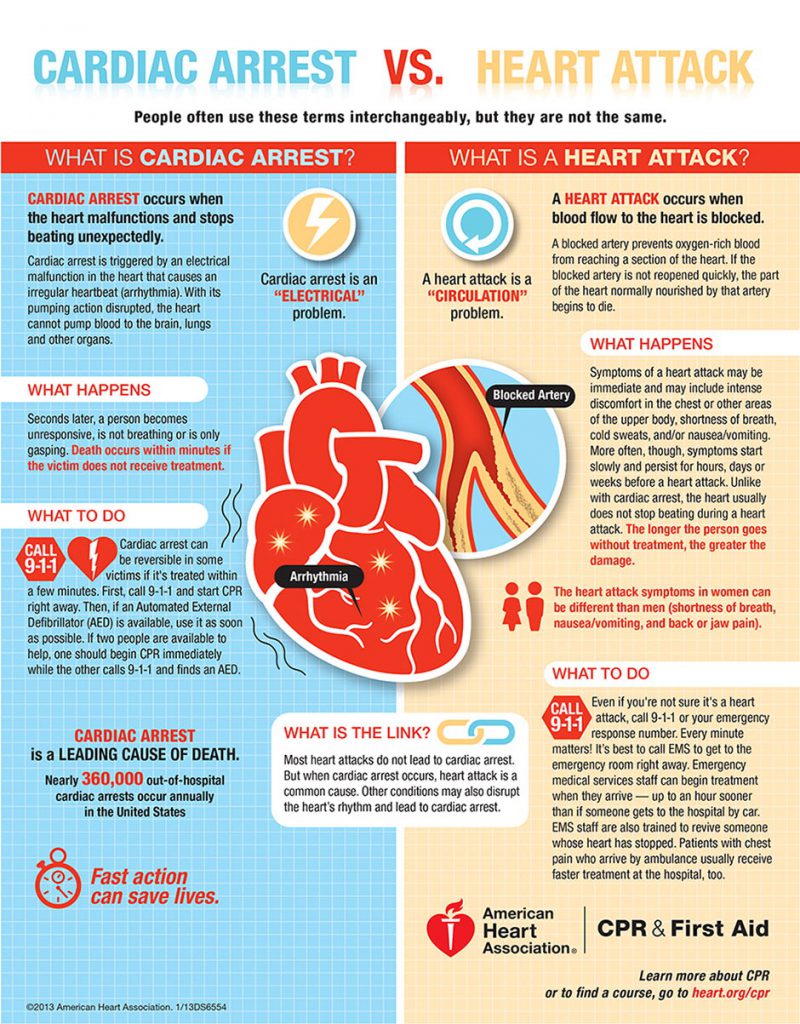
Understanding silent heart attack symptoms is important, but being prepared to respond is just as important. In the event of a medical emergency, every second counts, and training in First Aid and CPR can help you know what to do if someone around you is experiencing a heart attack, cardiac arrest or another type of emergency until professional help arrives.
HeartCert offers CPR and First Aid classes for all skill sets and levels of experience. With HeartCert’s First Aid and CPR certification, you’ll know exactly what to do in a high-pressure situation and feel confident stepping in when it matters most. We can teach a convenient one-on-one CPR or first aid training session, or we can certify a large group on-site, depending on your needs.
Find the right First Aid and CPR Class for you.
Start Your CPR and First Aid Training
Sources:
This is an updated blog that was originally published in 2017.
HeartCert is your trusted training partner for CPR, ACLS, PALS, EMR, First Aid, CNA, TMA, IV, EKG and more, throughout the United States.
Courses include CPR/AED/First Aid, Basic Life Support (BLS), Advanced Cardiac Life Support (ACLS), Pediatric Advanced Life Support (PALS), Certified Nursing Assistant training, IV training, EKG training, babysitter basics and more. Courses and certifications from both the American Heart Association and American Red Cross are available.




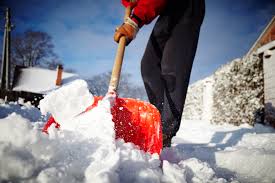 Winter has officially arrived in Minnesota, with snow storms the past two weekends forcing residents state-wide to pull out our shovels and fire up our snow blowers. Clearing our driveways and sidewalks is an added duty that we all have to tackle each winter and although it may be tiring and inconvenient, it can also be dangerous. A study conducted by US Nationwide Children’s Hospital found that every winter, almost 100 people in the United States die from cardiac-related injuries associated with snow shoveling.